Seven risk-adjusted strategies, run in-house through every market since 2007.
Through the 2008 crash, the pandemic and the 2022 rate shock.
Has outperformed its benchmark since inception.
Best strategy return in 2025, the IQ Adventurous Strategy.
IQ Global Equity Strategy since inception.
Past performance is not a reliable indicator of future results. The value of investments can fall as well as rise and you may get back less than you invest.
Five stages, the same for every portfolio, and none of them skipped when markets get loud.
Our investment committee meets regularly to read the macroeconomic picture and set the direction for every portfolio, guided by the research our own analysts produce.
We filter the global universe of funds down to 40. That shortlist is the IQ Aurelius XL List, best of breed in each specialist area, and nothing reaches a portfolio without being on it.
Capital spread across asset classes so the portfolio can ride out a storm rather than depend on one thing going right.
Which funds, and how much of each, follows from your attitude to risk, your timeframe and what the money is for. Diversified by asset class, region and sector, and accessible when you need it.
Tactical changes as the economic picture shifts, structural ones as your life does. Every move is visible in Helix the day it happens.
The questions people ask before handing over a portfolio.
What happens when markets fall?Capital preservation
Protecting what you have comes before growing it. Every selection is backed by research and due diligence rather than a view on where markets go next.
How much risk should I actually take?Risk parameters
Three separate questions: how much risk you are comfortable with, how much you can afford, and how much you need to reach your goals. The portfolio is built to those answers.
Will you chase whatever is doing well?Long-term investing
We set a horizon of three, five or ten years depending on what the money is for, and invest to it. Tactical changes are made to take an opportunity, not to react to a headline.
Am I exposed to what comes next?Forward thinking
Disruptive technology, health innovation, automation and the energy transition, sized as part of a diversified portfolio rather than a bet on one theme.
Who decides when to trade?Discretionary management
You give us authority to act, so changes happen when they are needed instead of waiting on a signature. You see each one in Helix.
Do you invest your own money this way?Conviction
Yes. The team invests alongside clients, in the same strategies, which is the first step towards earning any trust.
Very few advisers run their own investment platform. Ours means no third party taking a cut, no second login, faster transfers, and fees 10-20% lower than clients would pay elsewhere.
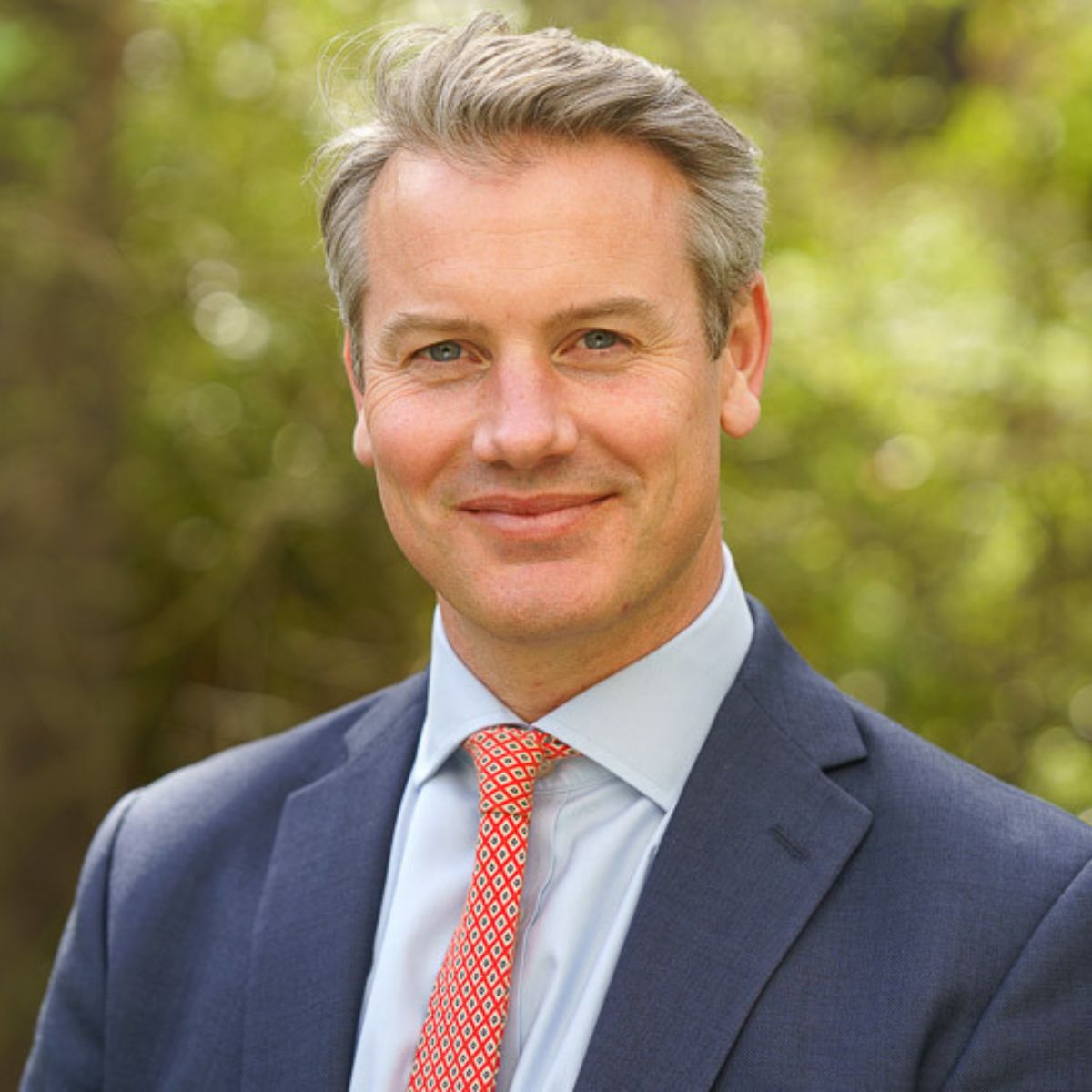
Chief Investment Officer
Global Market Strategist
Peter Lowman has almost 50 years in markets and has been our Chief Investment Officer since 2007. He and his analysts sit behind every portfolio decision, from the long-term strategy down to the tactical call when something moves.
You give us written authority to make investment decisions on your behalf, within the mandate you agree at the outset. When the committee changes a position, it happens across portfolios that day rather than waiting for each client to be contacted and to reply.
You are not handing over control of what the money is for. The mandate, the risk level and the objectives are yours, and they are what every decision is measured against.
Our shortlist of 40 funds, filtered from the global universe across every asset class. Each one is chosen as best of breed in its specialist area, and the list is the only place portfolio holdings come from.
Keeping it to 40 is deliberate. A shortlist small enough to be genuinely monitored is worth more than a longer one nobody can keep up with.
By separating three things people usually run together: the risk you are comfortable with, the risk you can afford, and the risk you need to take to reach your goals. Those rarely give the same answer, and the gap between them is most of the conversation.
We also keep a high level of liquidity, so needing your money back is never the thing that forces a decision.
Yes, in Helix, at any hour. Holdings, valuations, transactions, fees and documents in one place, updated as things happen rather than in a quarterly statement that is three months out of date by the time it lands.
Not necessarily, but the two work better together. A portfolio needs a job to do, and the plan is what decides the job: when you need the money, how much, and what it has to survive along the way.
One fee structure, published in full, so you can check the numbers before speaking to anyone.
A first conversation with an adviser about where you are now and where you'd like to be.
Book a call